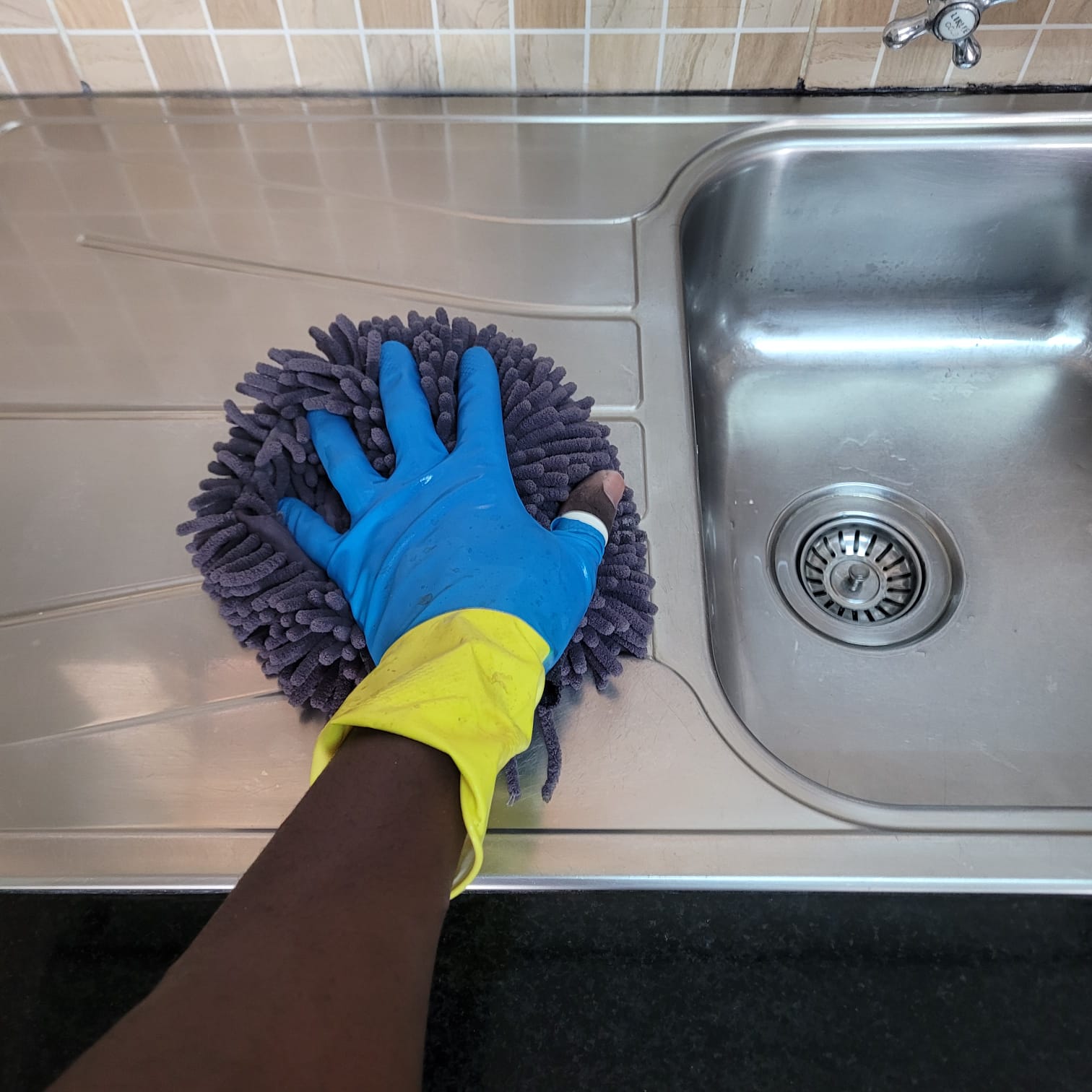
Introduction: Are You Making These Cleaning Mistakes?
Many people spend hours cleaning their homes every week, yet their living spaces still don't feel as clean and fresh as they should. The problem? They might be making common cleaning mistakes that undermine their efforts. These mistakes not only waste time and energy but can also damage surfaces, spread germs, and make cleaning less effective. In this article, we'll reveal the 10 most common cleaning mistakes and show you how to avoid them for a truly clean, healthy home.
The 10 Most Common Cleaning Mistakes
Using the Wrong Cleaning Products
One of the biggest mistakes is using random cleaning products without reading labels or understanding what they're designed for. Using bleach on colored surfaces, glass cleaner on wood, or all-purpose cleaner on delicate fabrics can cause permanent damage.
Mixing Cleaning Chemicals
Combining different cleaning products can create dangerous chemical reactions. For example, mixing bleach with ammonia creates toxic chloramine gas that can cause serious respiratory problems or even be fatal.
Not Cleaning From Top to Bottom
Cleaning from bottom to top means dust and debris fall onto already cleaned surfaces, requiring you to clean them again. This wastes time and makes your efforts less efficient.
Rubbing Stains Instead of Blotting
When you rub a stain, you push it deeper into fabric fibers, making it harder to remove. This is especially problematic with fresh spills on upholstery or carpets.
Using Too Much Cleaning Product
More product doesn't mean cleaner results. Excess cleaner leaves residue, creates streaks on glass, and can damage surfaces. It also requires more rinsing, wasting water and time.
Not Decluttering Before Cleaning
Trying to clean around clutter is inefficient and means surfaces don't get properly cleaned. You spend more time moving items than actually cleaning.
Neglecting High-Touch Surfaces
Door handles, light switches, remote controls, and other frequently touched surfaces harbor germs but are often overlooked during regular cleaning. These areas are prime vectors for spreading illness.
Leaving Cleaning Products on Surfaces Too Long
Some cleaners need time to work, but leaving them on surfaces too long can cause discoloration, damage, or leave chemical residue that's harmful if touched by children or pets.
Using Dirty Cleaning Tools
A dirty mop, sponge, or cloth spreads bacteria and grime rather than removing it. Reusing dirty cleaning tools defeats the purpose of cleaning and can actually make your home dirtier.
Not Addressing Spills Immediately
Leaving spills to dry means they become set in stains that are much harder or impossible to remove. The longer a spill sits, the more it damages the surface and spreads bacteria.
💡 Pro Tip: Write down these common mistakes and post them where you clean as a reminder. Correcting just a few of these mistakes can dramatically improve your cleaning results and efficiency!
Additional Cleaning Mistakes to Avoid
- Not Reading Care Instructions: Always check manufacturer care tags on furniture, fabrics, and surfaces before cleaning
- Ignoring Ventilation: Never clean with harsh chemicals in enclosed spaces; always open windows
- Using Excessive Water: Too much water can damage wood, drywall, and cause mold growth
- Cleaning in Wrong Order: Clean bathrooms first, then kitchens, then living areas to avoid cross contamination
- Forgetting Behind Furniture: Dust and dirt accumulate under furniture; move items to clean behind them regularly
When Professional Help Makes Sense
Even with perfect technique, some cleaning tasks require professional expertise and equipment. Consider hiring professionals for:
- Deep carpet and upholstery cleaning
- Window cleaning (especially high windows)
- Post-construction or post-renovation cleaning
- Challenging stain removal
- Regular deep cleaning (monthly or quarterly)
- Cleaning after moving or major life events
Conclusion
Avoiding these 10 common cleaning mistakes can transform your cleaning results, save you time and money, and create a truly healthier home. Remember: effective cleaning isn't just about the effort you put in it's about using the right techniques with the right products.
Start by correcting one or two of these mistakes this week, then gradually work in the others. You'll notice the difference immediately. And when deep cleaning or specialized cleaning tasks are needed, don't hesitate to call in the professionals. Byrammo Cleaning Services is always ready to help you achieve and maintain the clean home you deserve!